


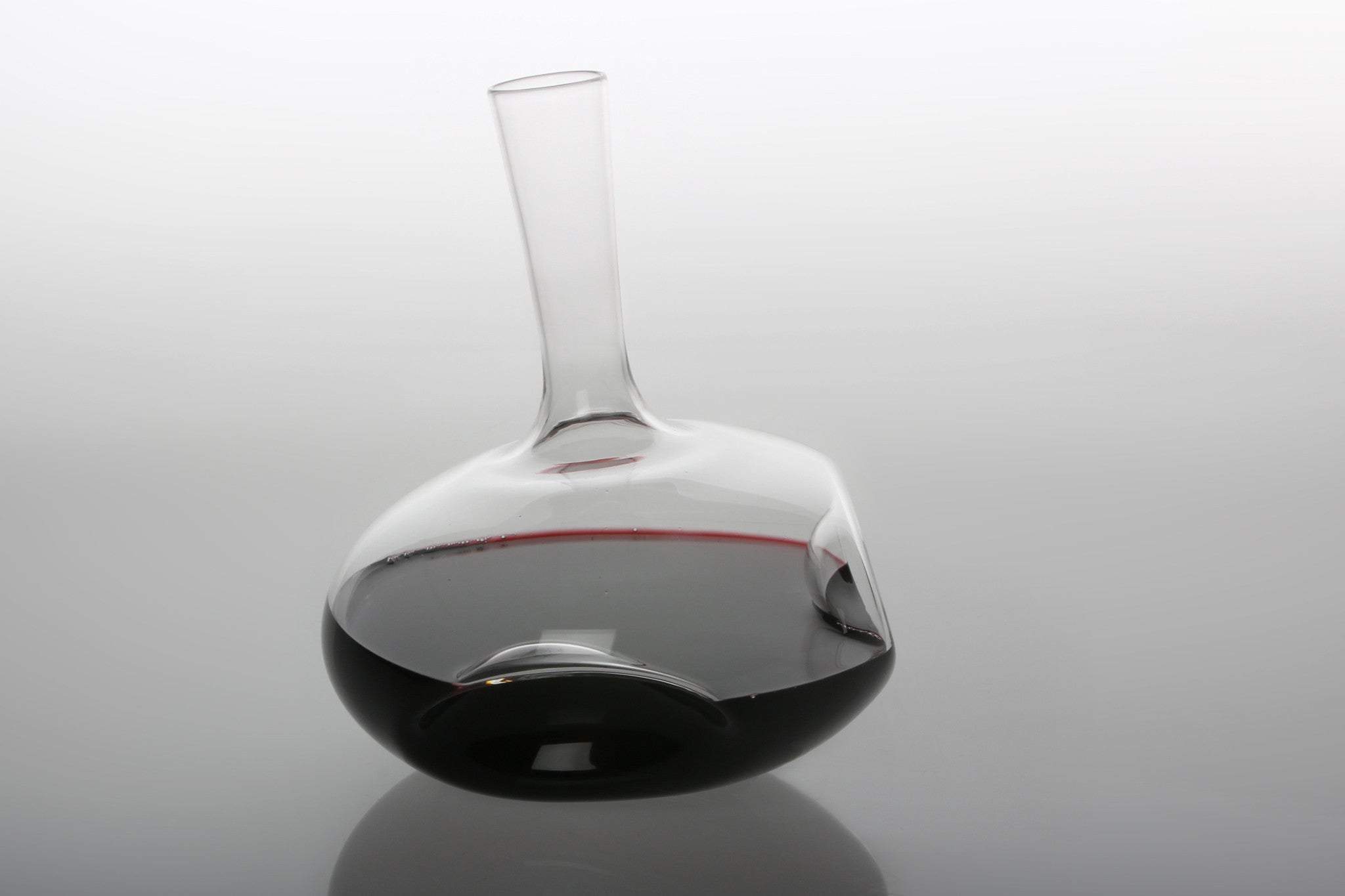
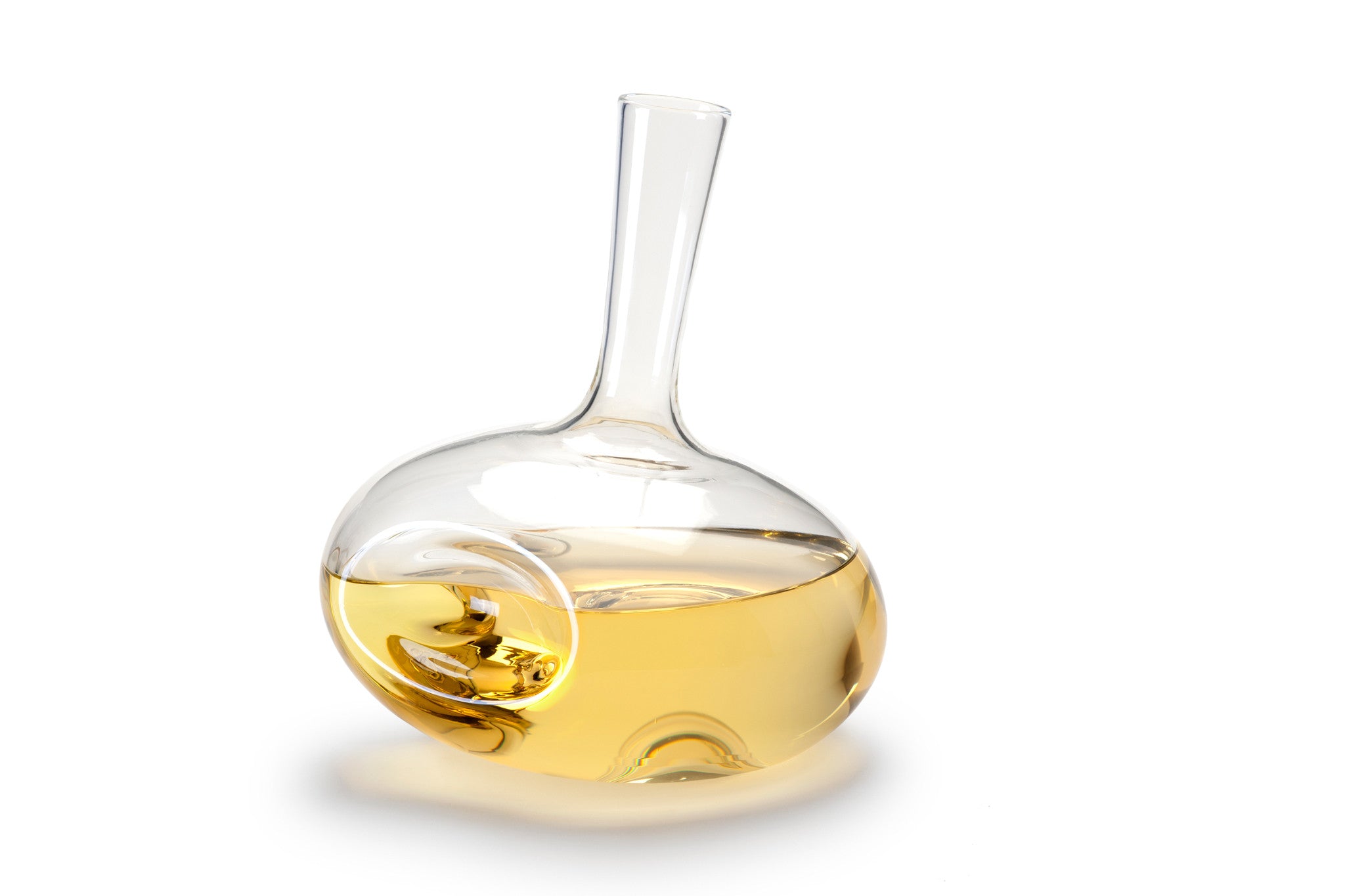
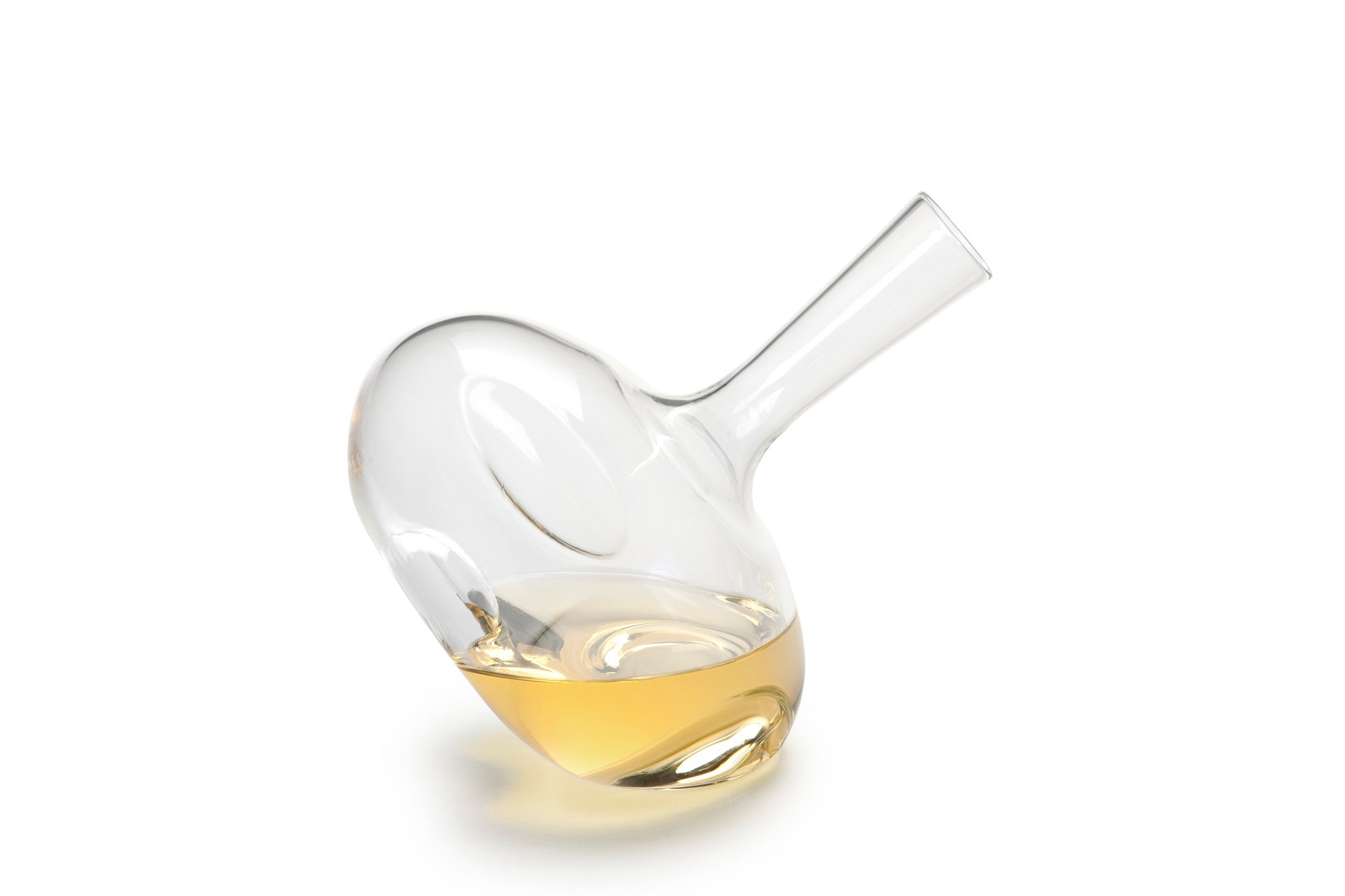
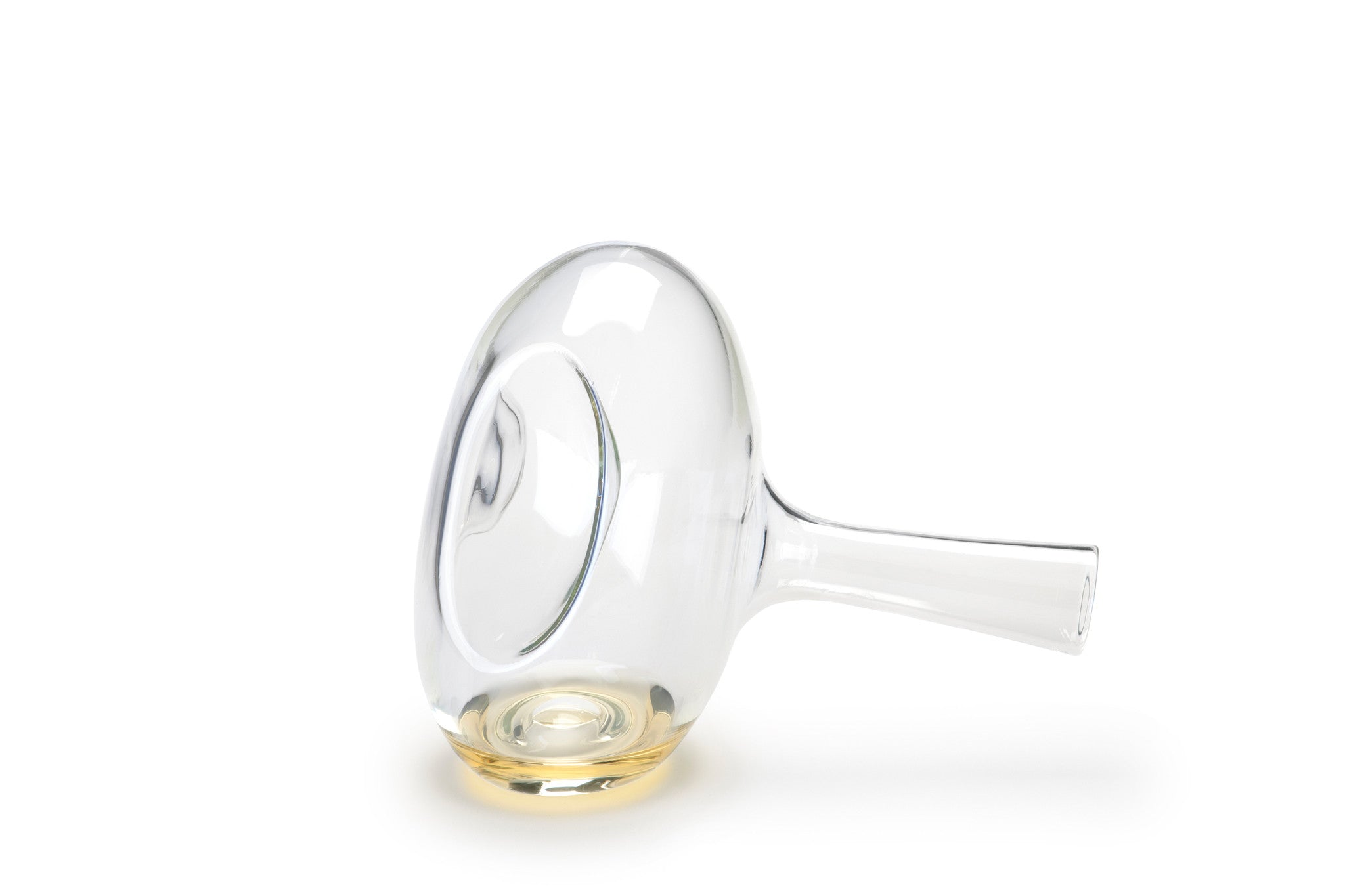
13˚ 60˚ 104˚ magnum decanter
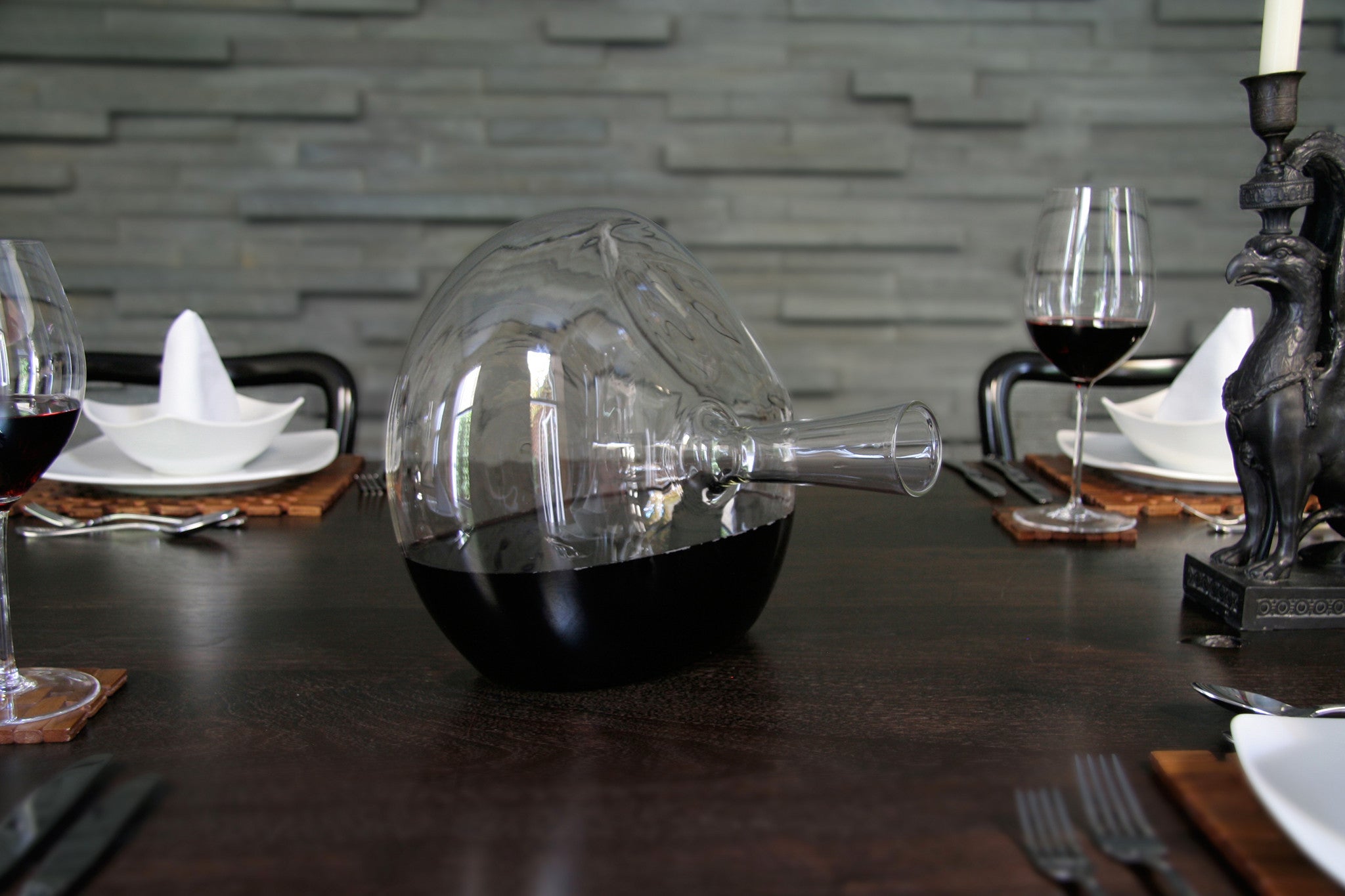
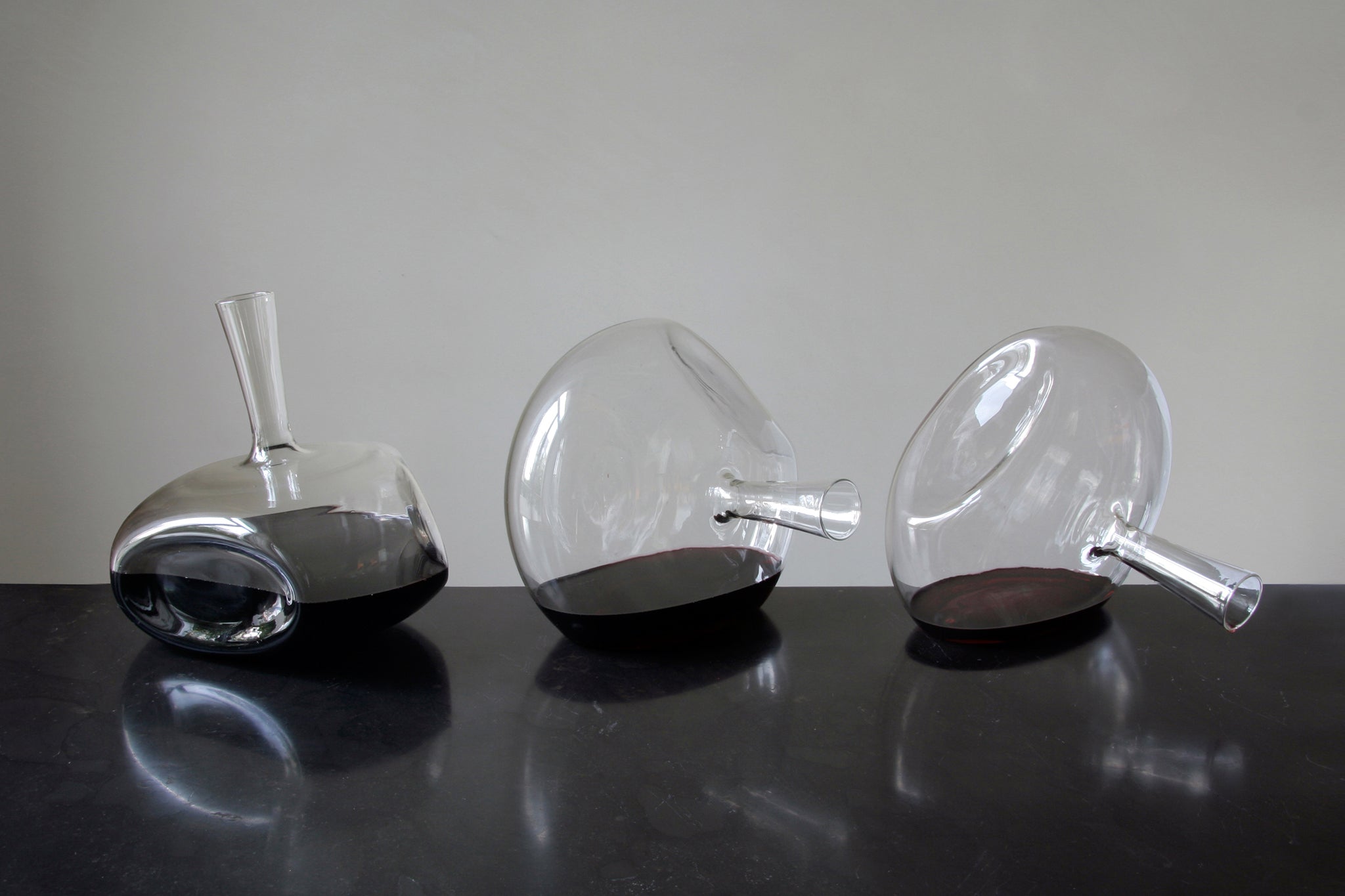
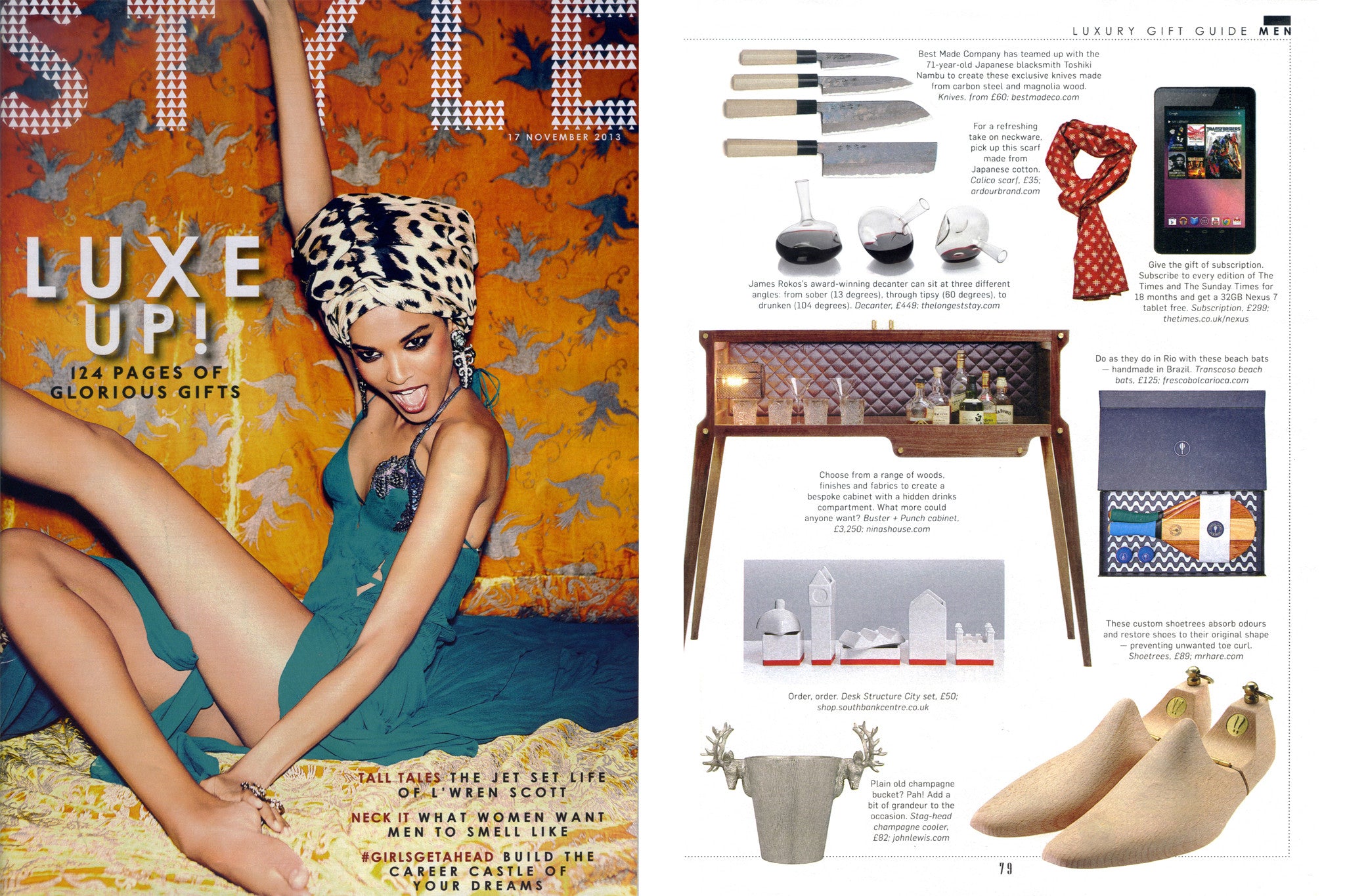
Some say that at 13 degrees the decanter begins the evening sober. As drinking progresses, at 60 degrees the decanter is a little tipsy. By the end of the evening it sits at a drunken 104 degrees.
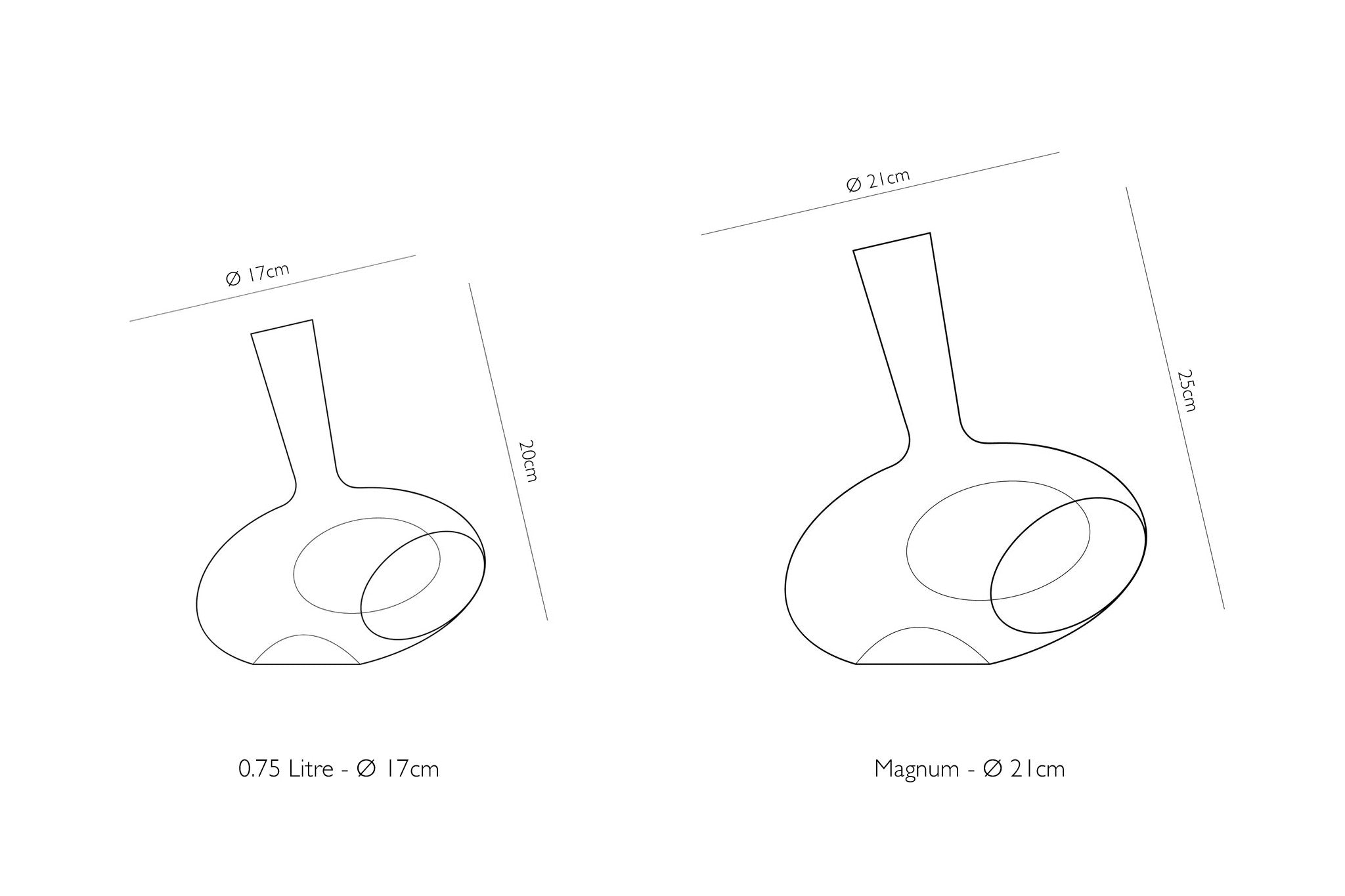
1.5 litre capacity
Ø21 cm
25 cm tall
Mouthblown in individually numbered editions of twenty
Edition numbers currently available: 109 to 117
Borosilicate glass
Winner of the Red Dot Design Award
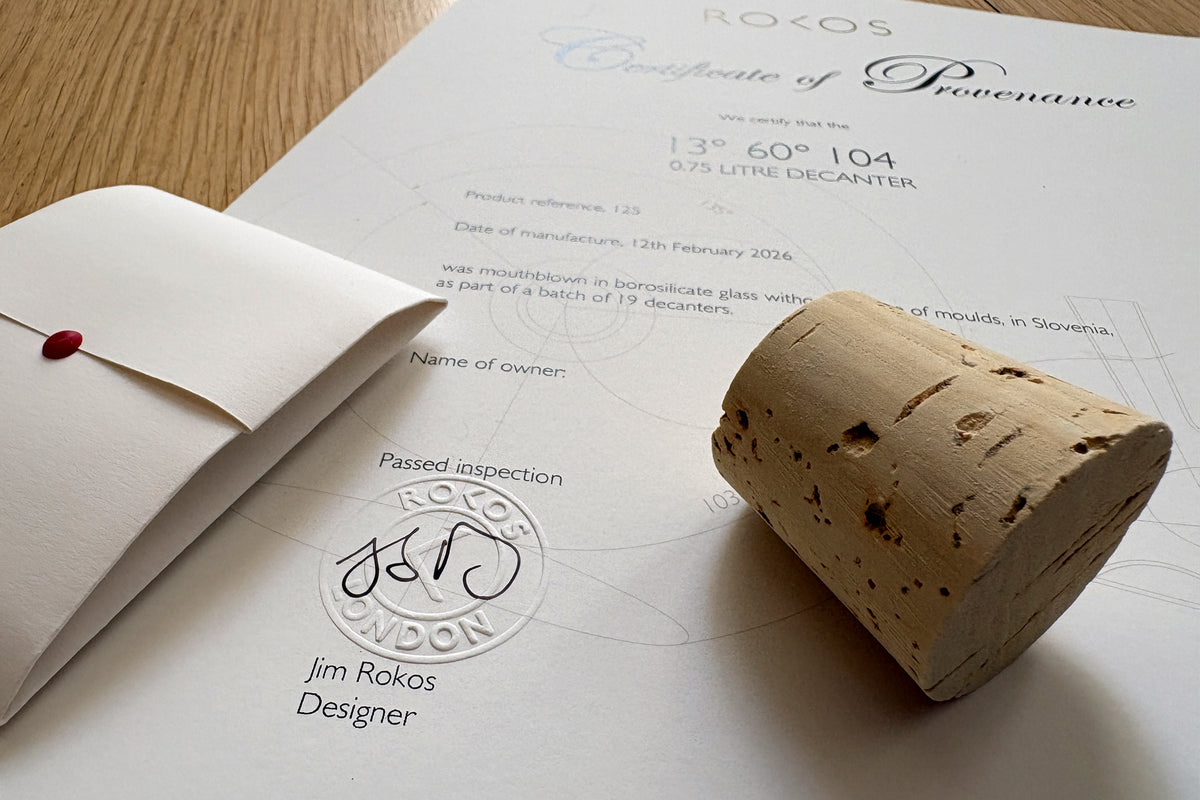
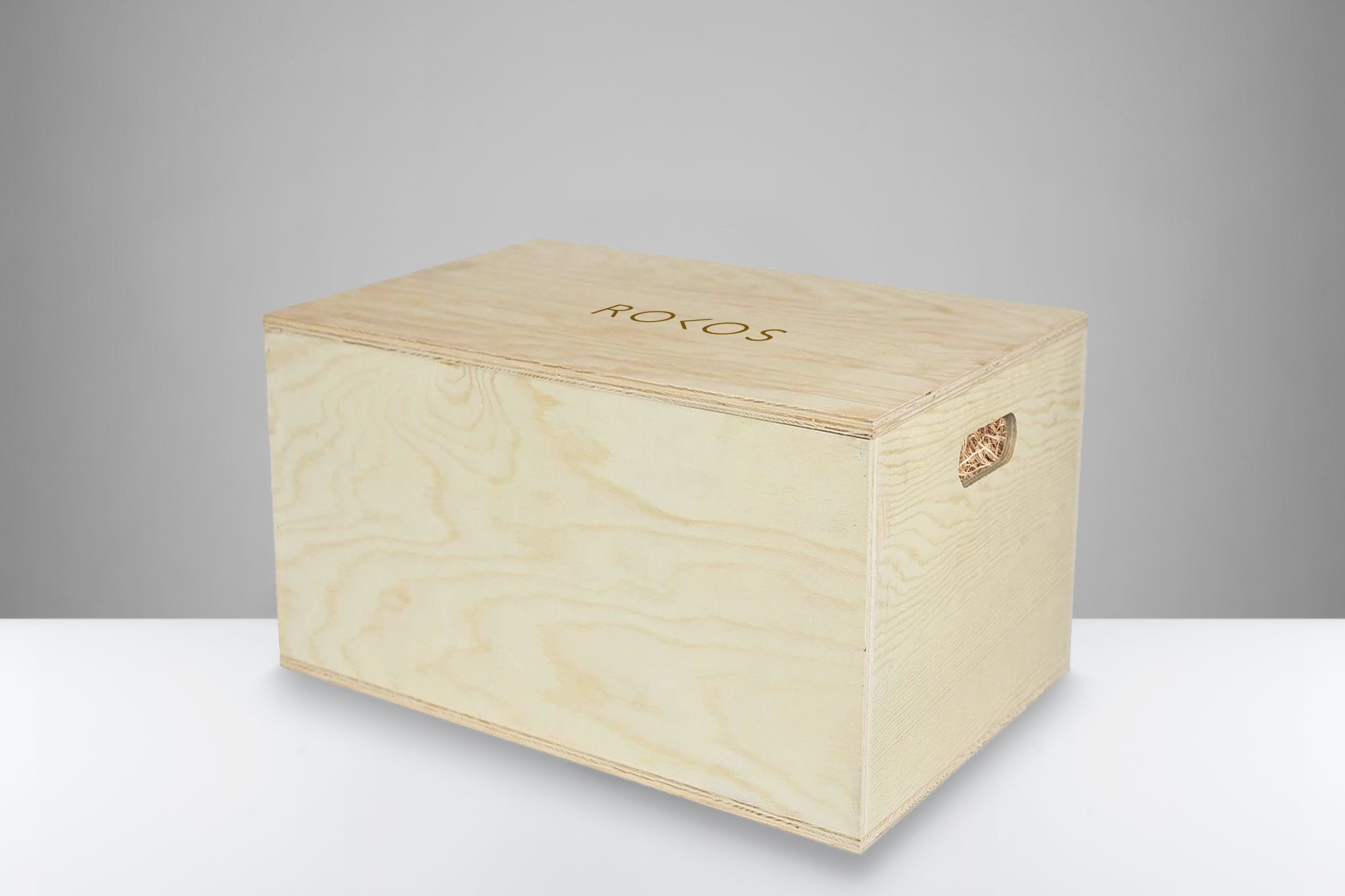
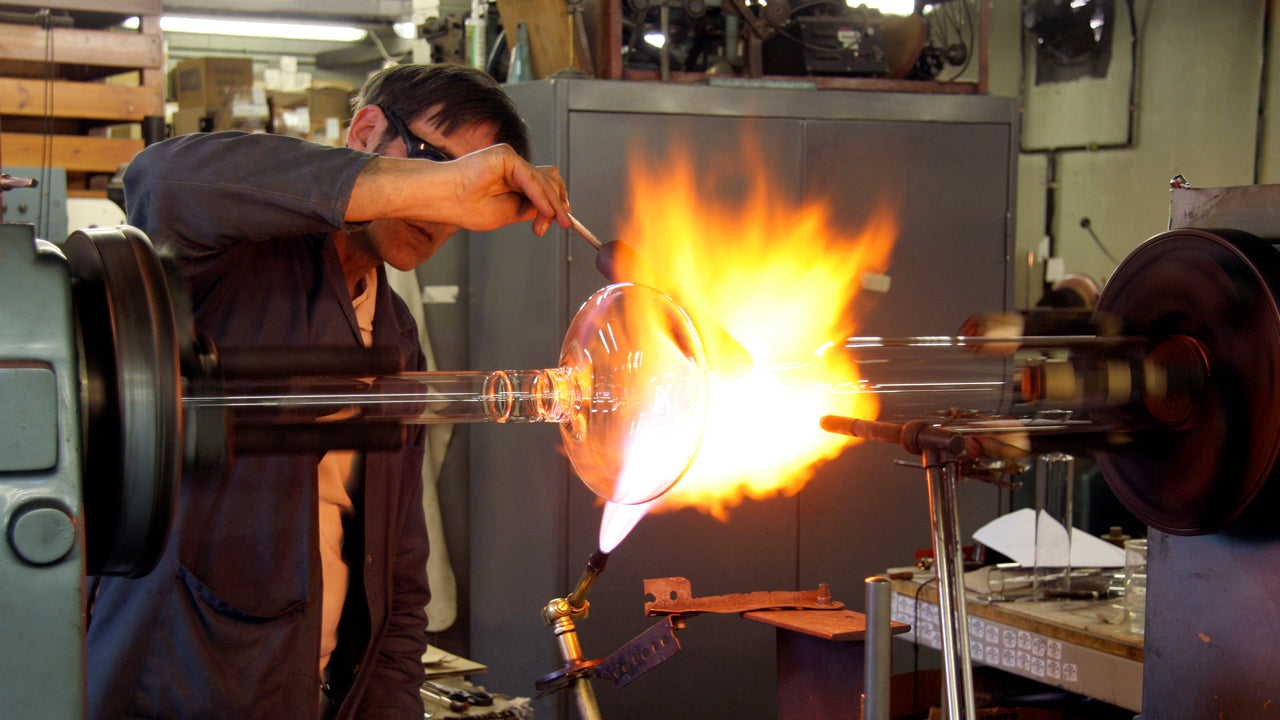
Mouth-blown and formed by hand without the use of moulds in Slovenia. Decanters are produced in runs of 20, no more than once a year. Each piece is hand engraved in Mayfair, London, with its unique production number and accompanied by a Certificate of Provenance (please email us to tell us how you would like the owner's name to appear on the certificate). Decanters are protected with wood-shavings and are delivered in a wooden wine-box. Please see personalisation engraving options here.
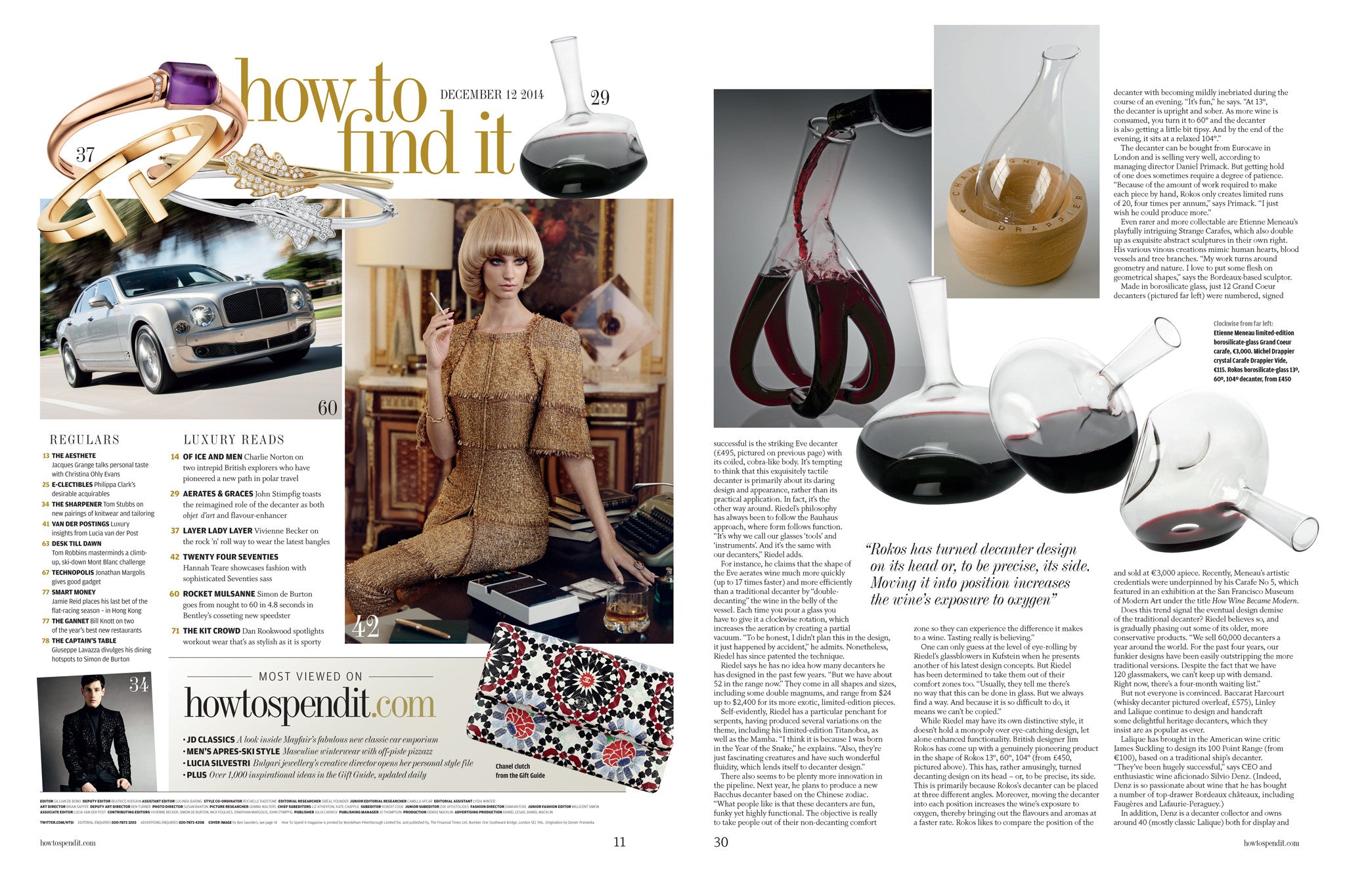
"A genuinely pioneering product. This has, rather amusingly, turned decanting design on its head – or, to be precise, its side... Moreover, moving the decanter into each position increases the wine’s exposure to oxygen, thereby bringing out the flavours and aromas at a faster rate."
John Stimpfig - Contributing editor at the Financial Times’ 'How to Spend It' & editorial content director of Decanter Magazine.
"Decanting is so important to let wine breathe. We have never seen such a practical yet creative solution to wine presentation and decanting."
Daniel Primack - Winerackd, London.
The magnum decanter holds a magnum bottle in the upright position (at 13˚), a 0.75 litre bottle in the middle position (at 60˚) and the lower position (at 104˚) indicates a half bottle. The magnum decanter also looks good holding 0.75 litres in the upright position at the 13˚ angle.
White wine decanters - photographed by John R Ward.
CRAFT
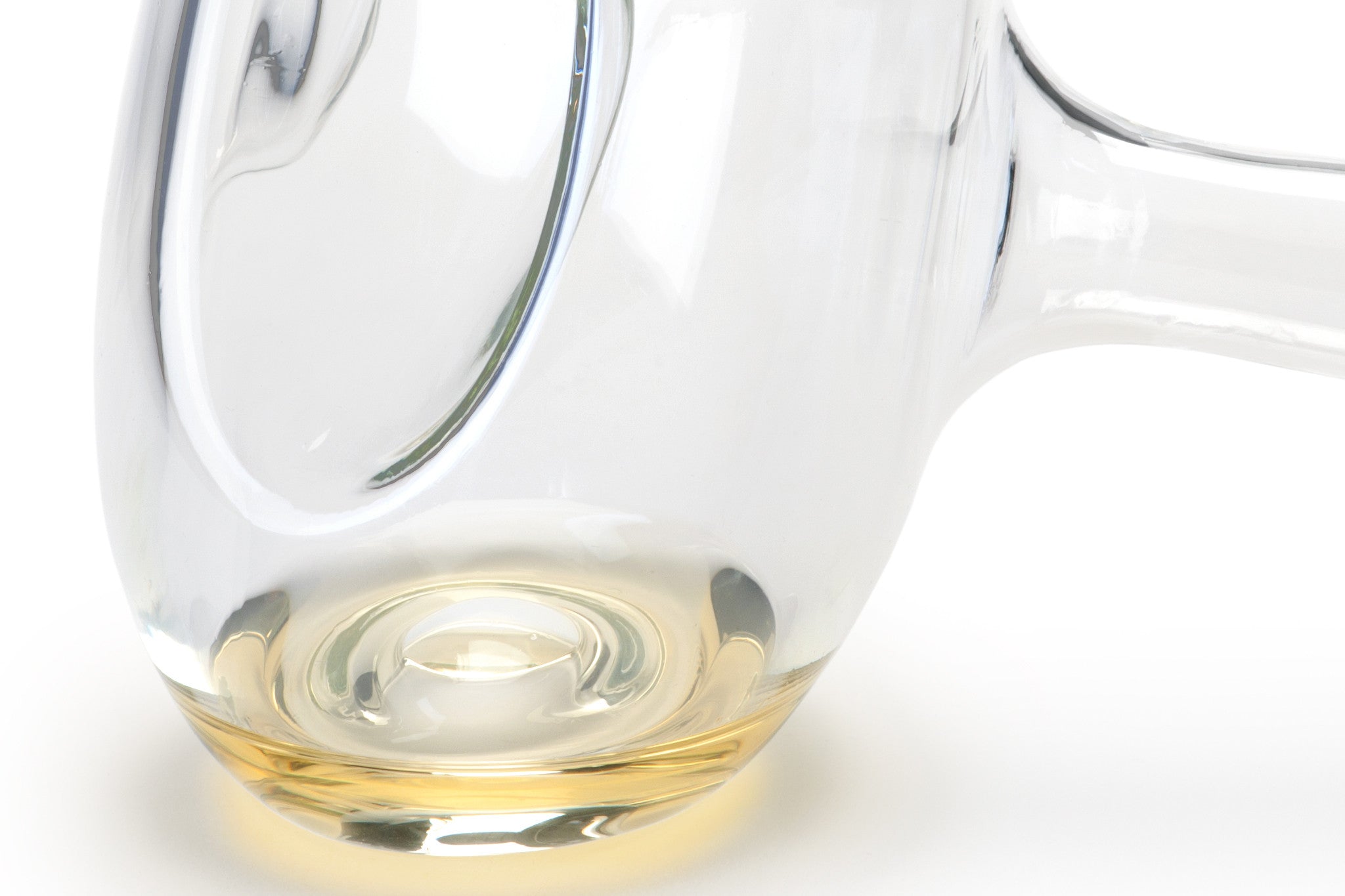
The decanter is made from borosilicate glass, a material commonly used for scientific laboratory equipment because of its exceptional resistance to thermal shock. Sometimes referred to as 'hard glass', borosilicate is prized for its clarity, strength and precision.
DECANTING
As wine is poured down the neck, it flows to the part where the body of the decanter meets the neck. Here, it spreads across the interior wall into a thin sheet of liquid, increasing exposure allowing it to aerate beautifully.
Care
Rinse with warm water soon after use. Dry externally with a towel and allow any remaining water to drain naturally. For stubborn deposits, the included decanter cleaning balls are recommended. More detail about cleaning glass here.
PRESS
Featured in The Times LUXX, Financial Times How To Spend It, The Sunday Times Style, Nowness and DAMN° Magazine.
Design registrations
UK Design Number: 90021485100001
OHIM Design Registration number: 002148510-0001
USA Design Patent number: US D727,670 S
China Design Patent number: ZL 2013 3 0120618.8
Hong Kong Design Registration Number: 1200863.3
Choose options